



How to Remove Semi-Permanent Hair Dye (7 Methods That Work)
Removing semi-permanent hair dye sits on the outside of the hair shaft rather than penetrating it — which means it will always fade eventually. The question is how quickly, and which method suits your hair type and the shade you're trying to remove.
At Stargazer, we've been formulating semi-permanent hair colour for over 35 years. We know which shades are the most stubborn (blue and green — the pigment molecules are small and grip tightly), which lift easily (warm reds and pinks), and which methods genuinely work versus those that just dry your hair out.
This guide covers every removal method from slowest to fastest, with honest notes on what to expect from each one.
One important thing first: if you're trying to remove colour before applying a new shade, make sure you read our Hair Colour Application Guide — going shade-to-shade without a proper base can produce unexpected results.
How Long Does Semi-Permanent Hair Dye Last?
Before reaching for a removal method, it's worth knowing what you're working with:
- Regular washing alone: 4–8 weeks for most shades
- Blues and greens: Can persist for 10–12 weeks — these pigments are notoriously clingy
- Reds, pinks, and warm tones: Usually 3–5 weeks with normal washing
- Bleached or high-porosity hair: Absorbs colour more deeply, so removal takes longer and needs more sessions
If your hair is already bleached and you applied colour directly, expect to work harder to remove it — porous hair holds dye in every layer.
Slow Removal Methods
1. Frequent Washing with Hot Water:
The gentlest method — and often underestimated. Semi-permanent dye is designed to wash out, so washing more often than usual will accelerate the process significantly. Use water as warm as you can comfortably tolerate — heat opens the cuticle and releases pigment. Use a strong shampoo that does not contain conditioner, saving the conditioning for when you are happy that the colour has been removed. Between washes towel dry your hair (using heat repeatedly in a shorter time can be damaging).
What to expect: Noticeable fading within 1–2 weeks. Best for shades that are already starting to fade, or for people with fine or damaged hair who can't risk stronger treatments.
2. Clarifying Shampoos:
Clarifying shampoos are formulated to strip product buildup — and they'll strip hair dye pigment too. Apply to wet hair, work into a lather, and leave for 3–5 minutes before rinsing. Follow with a deep conditioner each time, as clarifying shampoos are drying. Use every 2–3 days rather than daily to protect your hair health.
What to expect: Faster results than regular shampoo, especially on warm tones. Blues and greens will still take time.
Moderate Removal Methods
3. Vitamin C Treatment:
Crushing vitamin C tablets (ascorbic acid) and mixing them into shampoo creates a mildly acidic paste that breaks down the hair dye molecules. Crush 5–10 vitamin C tablets (1000mg each) into a fine powder and mix with enough shampoo to create a thick paste. Apply to damp hair, cover with a shower cap, and leave for 30–60 minutes. Rinse thoroughly and deep condition. This method is less damaging than commercial products and works well as a pre-treatment before applying a new colour.
What to expect: Good results on warm tones (red, orange, pink) after 2–3 applications. Less effective on blue and green. Works best on already-faded colour rather than a fresh application.
4. Baking Soda and Washing-Up Liquid:
This popular home remedy involves mixing equal parts baking soda with washing-up liquid — roughly 2 tablespoons of each — into a paste. The alkaline baking soda opens the hair cuticle while the washing-up liquid cuts through the pigment. Apply to damp hair, leave for 15–20 minutes, then rinse well and follow with an intensive conditioning treatment.
What to expect: Noticeably faster than shampoo alone, particularly on reds and oranges. Can take 3–5 sessions for full removal. Always condition afterwards — this method will dry your hair. Not recommended if your hair is already compromised or over-processed.
5. Hot Oil Treatment:
Hot oil treatments nourish your hair while helping to loosen and fade the colour over time. Warm coconut or olive oil until comfortably warm (not hot), apply generously to hair, cover with a shower cap, and leave for at least an hour — overnight is even better. Wash out with a strong shampoo, which may take two washes to fully remove the oil.
What to expect: Subtle fading rather than dramatic colour removal. Best used alongside other methods for hair health, or as a standalone for a very slow, gentle fade.
Fast Removal Methods
6. Hair Colour Removers:
Colour removers work differently from bleach — they shrink the dye molecules so they can be washed out of the hair. Follow the product instructions exactly, applying to dry hair section by section and leaving for the full stated time. Rinse thoroughly, then shampoo and condition. They are effective on most semi-permanent shades and far less damaging than bleach, though thorough conditioning post-application is essential.
Tip: After using a colour remover, apply a deep conditioning mask and leave it for as long as possible before rinsing. Blues and greens may need a second application.
7. Bleach Wash (Bleach and Developer with Shampoo):
A bleach wash — also called a soap cap — is diluted bleach mixed with shampoo, making it gentler than a full bleach application but still highly effective for colour removal. Mix one part bleach powder, one part 20-volume developer, and one part shampoo. Apply to damp hair and check every 5–10 minutes, rinsing as soon as you've reached the desired lift. Deep condition immediately and again the following day.
Warning: Bleach is powerful but can be very damaging, especially if your hair is already dry or compromised. If your hair is already bleached, go carefully — bleaching previously bleached hair significantly increases the risk of breakage. Always do a strand test first and follow up with deep conditioning treatments.

Go To A Professional (Hair Salon):
You could go to a professional hairdresser to remove the hair colour. This will be the more expensive option but also the one that requires the least amount of personal effort — and a professional can assess your hair's condition before deciding which approach is safest.
Which Method Is Right for You?
Choosing the right method depends on your hair's condition, the shade you're removing, and how quickly you need it gone:
- Gradual fade, hair in good condition: Frequent washing and clarifying shampoo
- Quick removal, warm tone (red/pink/orange): Vitamin C treatment or colour remover
- Quick removal, cool tone (blue/green): Colour remover or bleach wash
- Hair already bleached or fragile: Clarifying shampoo and hot oil — avoid bleach
- Need it gone today: Bleach wash, with caution
- Rather not risk damage: Visit a professional hairdresser
Colour-Specific Advice
Removing Blue and Green:
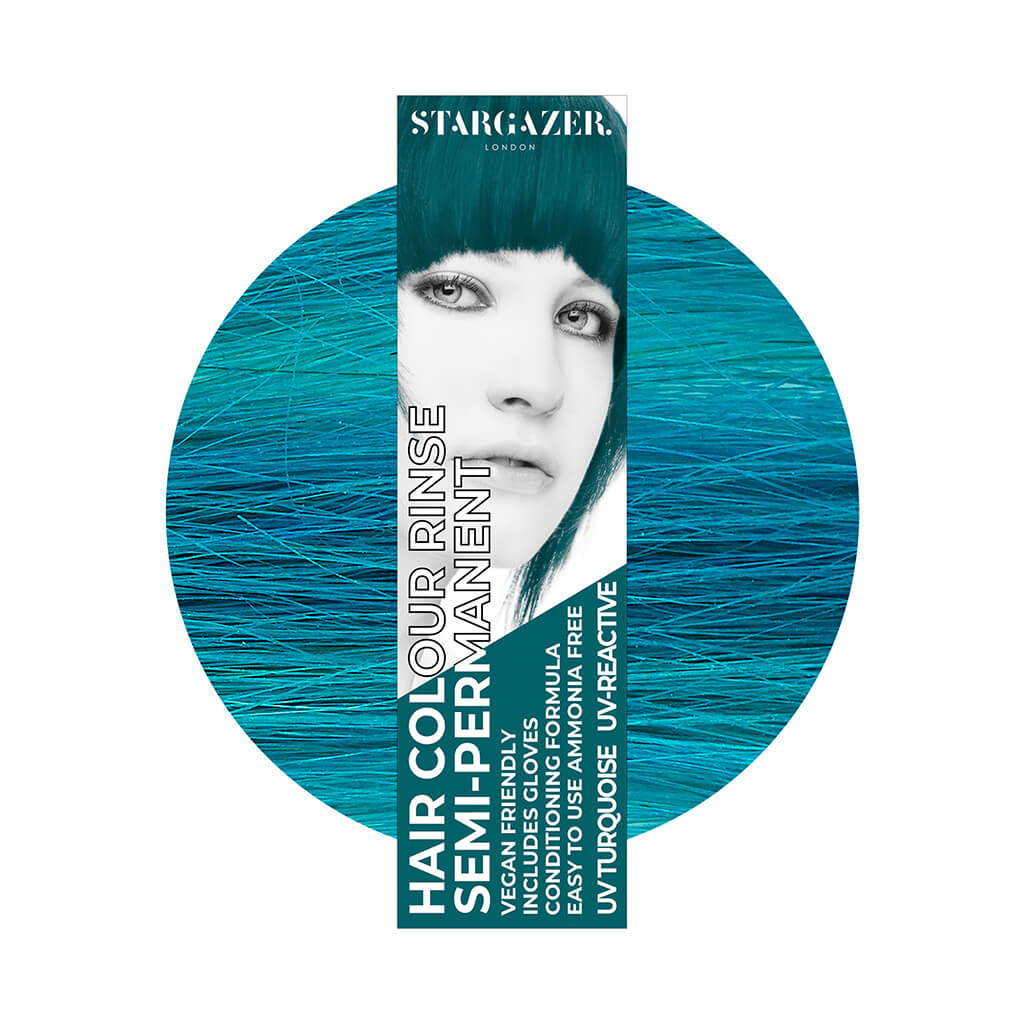
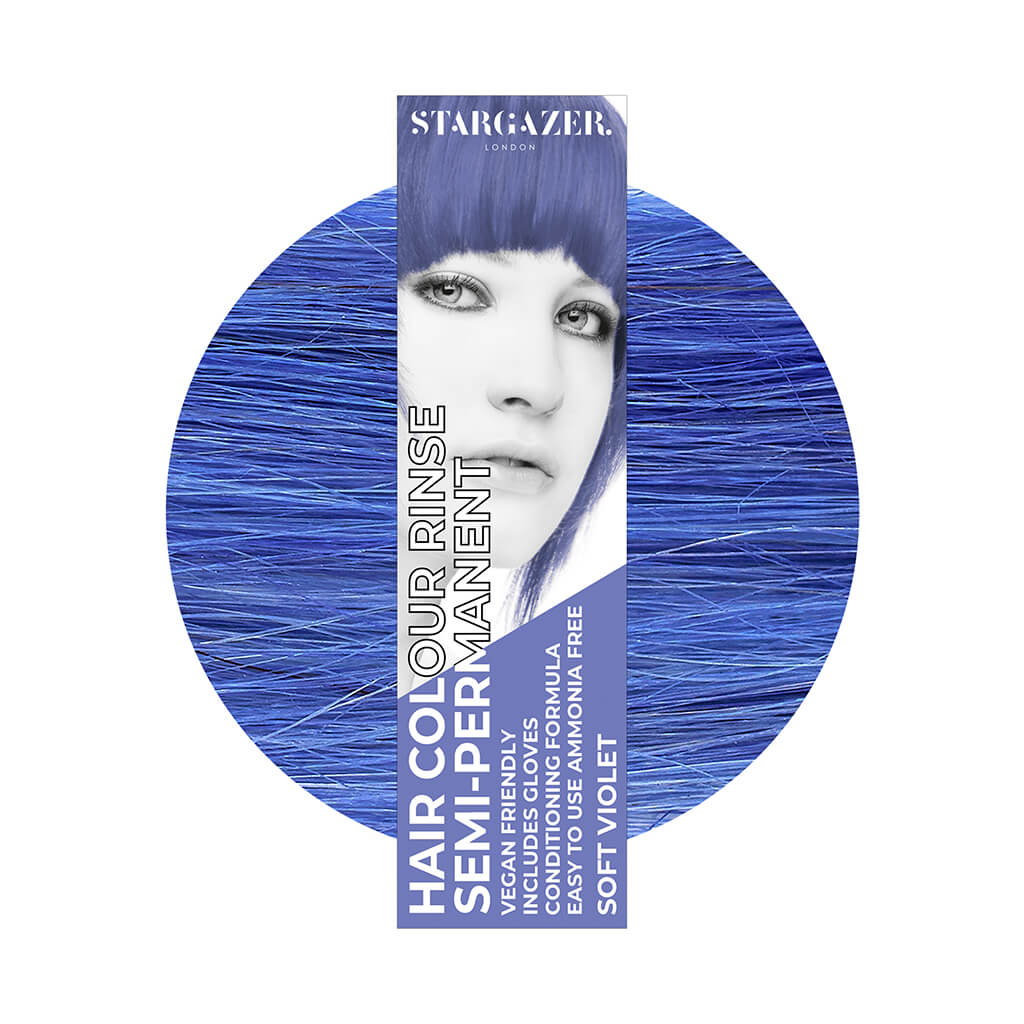
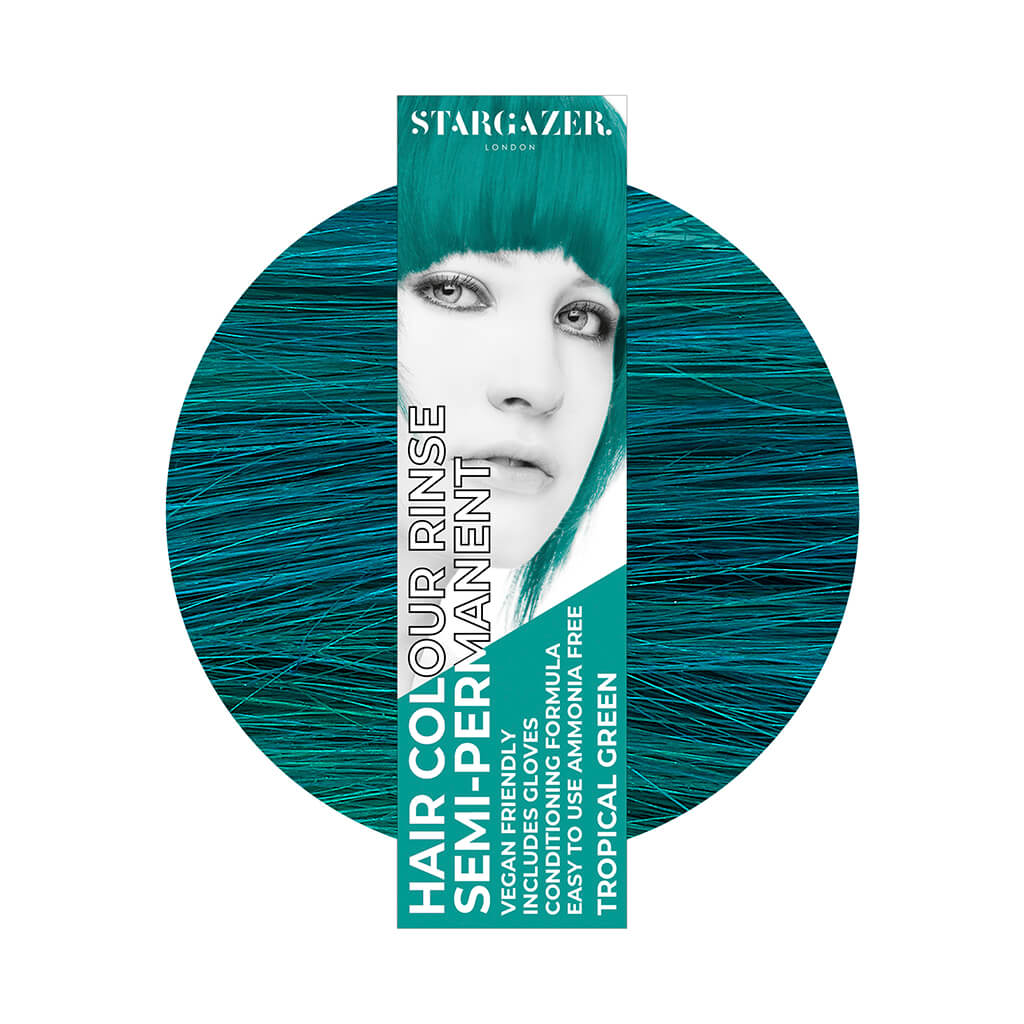
These are the hardest shades to shift. The pigment molecules are smaller and penetrate more deeply into the hair shaft. Expect to need 2–3 sessions of a colour remover, and don't expect a bleach wash to completely remove dark blues in one go. Patience is essential.
Removing Red and Pink:
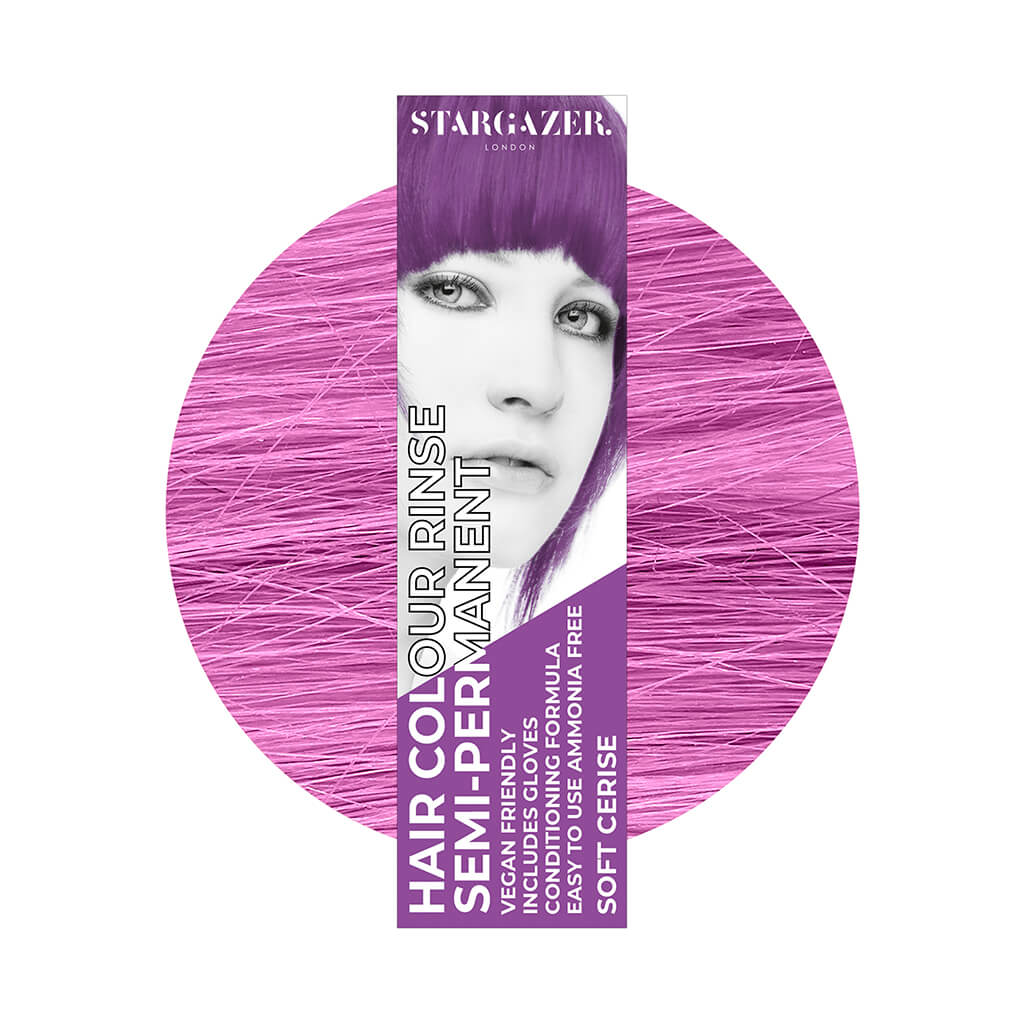
These fade significantly faster — often just regular washing over 2–3 weeks will do it. The vitamin C treatment is particularly effective on warm tones and is usually enough without needing stronger methods.
Removing Dark or Black Semi-Permanent:
Black semi-permanent dye contains a mix of pigments and can be tricky. A colour remover is the best starting point — bleach is overkill in most cases and risks unnecessary damage. If the colour persists after a colour remover, a careful bleach wash as a second step will address what's left.
Removing Magenta and Purple:
These fall between warm and cool tones. A colour remover or 2–3 vitamin C sessions usually does it without needing to resort to bleach.
What Not To Do
- Don't use neat bleach without diluting — a bleach wash is always preferable for semi-permanent removal
- Don't skip conditioning after any active removal method — damaged hair holds future colour unevenly
- Don't apply a new colour immediately after removal — give your hair at least 48 hours to recover, ideally longer
- Don't use a colour-protecting shampoo while trying to remove colour — these are designed to slow down exactly what you're trying to speed up
Recommendations
For Faster Results:
Use hair colour removers but be prepared to condition your hair extensively afterwards.
For Stubborn Colour:
If you need to remove a very stubborn colour and are willing to risk some hair damage, a bleach wash is the most effective method. Always follow up with a deep conditioning treatment and allow at least a week before any further chemical processing.
Frequently Asked Questions
How do I remove semi-permanent hair dye from bleached hair?
Bleached hair is more porous so it holds colour more deeply. All the methods above still work, but expect to need 2–3 more sessions than on natural hair. The vitamin C treatment and bleach wash are the most effective options — just do a strand test first on already-bleached hair before using bleach again.
How do I remove semi-permanent hair dye in one day?
The fastest option is a bleach wash (bleach and developer diluted with shampoo). This can remove most of the colour in a single 20–30 minute session. If you want to avoid bleach, a commercial colour remover is the next fastest. Neither method is instant, but both can achieve significant results in one day.
Does baking soda remove semi-permanent hair dye?
Yes — baking soda mixed with washing-up liquid is one of the more effective home methods. It typically takes multiple applications and works best on warm tones like reds and oranges. It is less effective on cool tones like blue and green, where a dedicated colour remover will work better.
How long does it take to wash out semi-permanent hair dye?
With regular washing and no removal treatments: 4–8 weeks depending on the shade and your hair's porosity. Blue and green can take longer. With active removal methods such as clarifying shampoo, vitamin C, or baking soda: 1–2 weeks. With a colour remover or bleach wash: 1–3 sessions.
How do I fade semi-permanent hair dye faster?
Wash more frequently with hot water and a strong shampoo (skip conditioner until the colour is gone). Combine this with the vitamin C or baking soda method every other wash. Sun exposure also breaks down semi-permanent pigment — spending time outdoors accelerates fading naturally.
Can I remove semi-permanent hair dye without bleach?
Yes. Clarifying shampoo, vitamin C treatment, baking soda and washing-up liquid, hot oil treatments, and dedicated colour removers can all remove or significantly fade semi-permanent dye without any bleach. Results take longer than bleach-based methods but carry no risk of hair damage.
Does semi-permanent hair dye wash out completely?
Yes — unlike permanent hair dye, semi-permanent colour does not chemically alter the hair structure. It will fully wash out over time. How long depends on the shade (blue and green are the most stubborn), your hair's porosity, and whether you use active removal methods.
How do I remove semi-permanent hair dye without damaging my hair?
Stick to the gentler methods: frequent washing, clarifying shampoo, and vitamin C treatments. Avoid bleach if your hair is already bleached or feels brittle. Always deep condition after any active treatment, and leave plenty of time between sessions.
How do I remove semi-permanent black hair dye?
Black semi-permanent dye is a mix of pigments and can be stubborn. Start with a commercial colour remover rather than going straight to bleach — this is often enough. If the colour persists, a careful bleach wash as a second step will address what's left.
Written by Sasha Akhavan-Zanjani - 29/05/2026
Our other Blog Posts
Semi Permanent Hair Dye